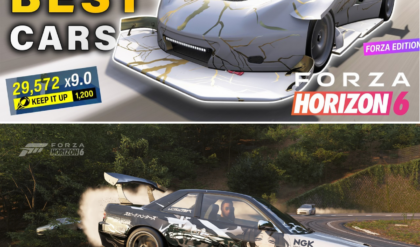
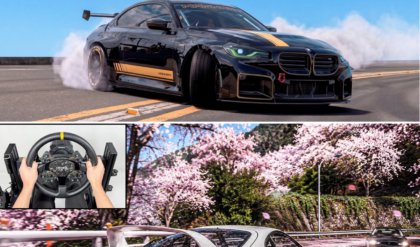
IS THE “WHEEL CURSE” FINALLY BROKEN IN FORZA HORIZON 6? 🏎️🎮
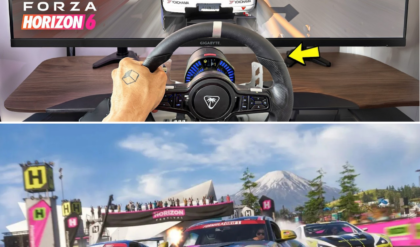
For years, Forza was a “controller-only” game. Using a wheel felt like fighting a losing battle against the physics engine—but everything changed with the launch of Forza Horizon 6.
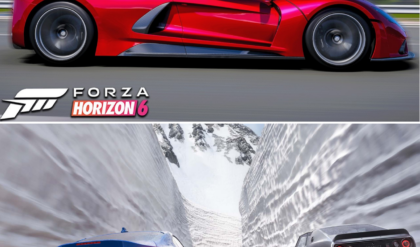
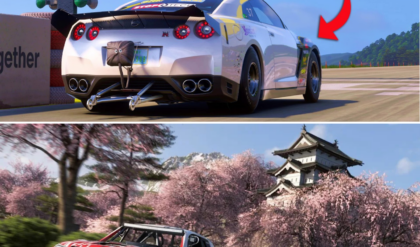
The community is going wild: the new Force Feedback (FFB) isn’t just “decent,” it’s actually communicative. You can finally feel the difference between the neon-lit tarmac of Tokyo and the snowy mountain passes of the north. But there’s a catch—if you’re still using default settings, you’re missing out on the “secret” profiles that make this game feel like a completely different title.
Are we finally seeing a true “Sim-Cade” experience, or is the controller still king?
Find out the best wheel settings and if it’s time to dust off your rig: 👇
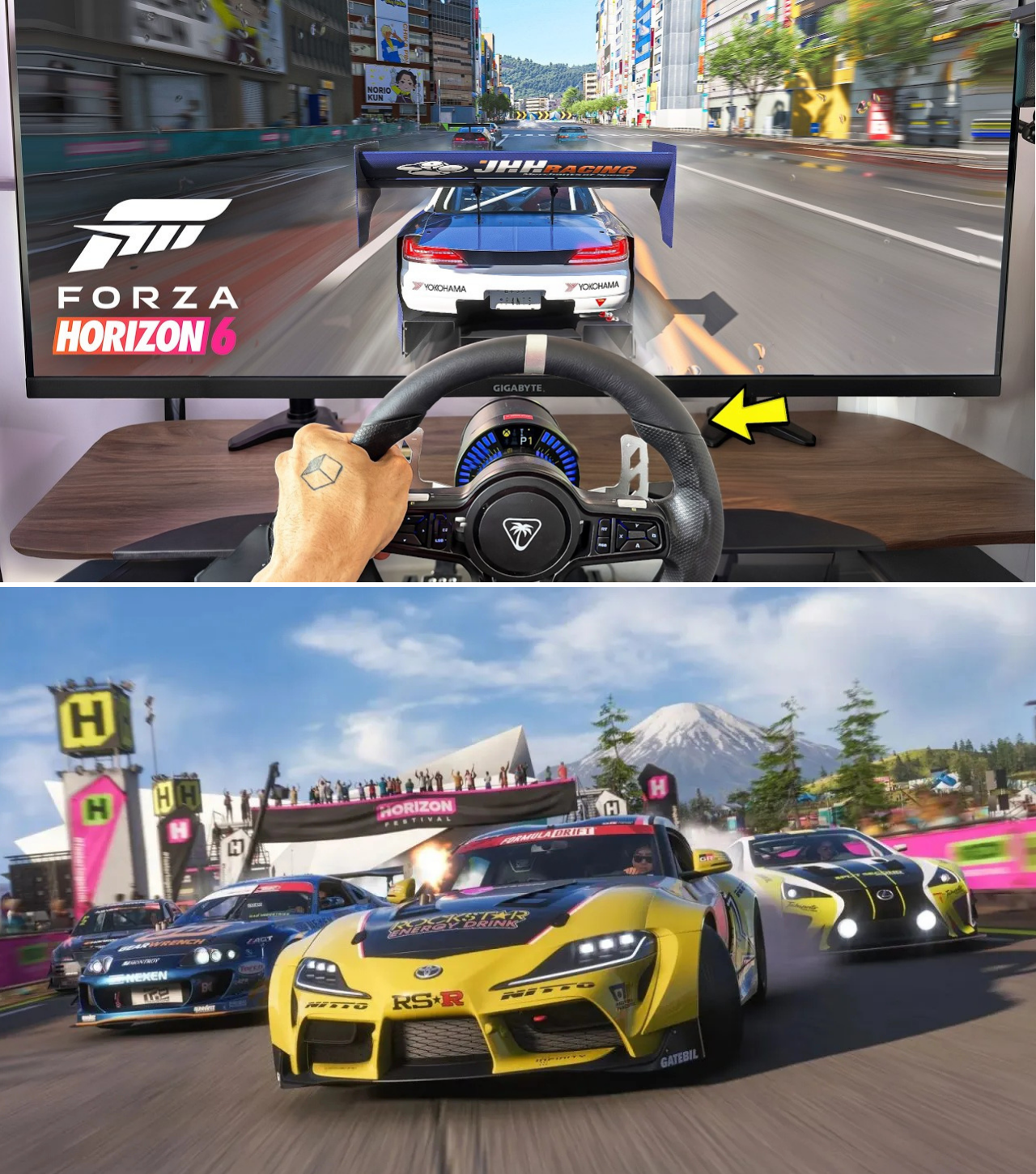
For over a decade, the Forza Horizon franchise has been synonymous with the gamepad. While wheels were technically supported in previous entries, they were often criticized for “floaty” physics, unintuitive force feedback, and a clear bias toward controller-based assists. With the release of Forza Horizon 6 this May, Playground Games has finally delivered the overhaul that sim-racing enthusiasts have been demanding.
The “Wheel” Renaissance
The consensus from the community is clear: Forza Horizon 6 is the most “wheel-friendly” title in the series to date. The developers have completely rebuilt the steering system, introducing native support for up to 540 degrees of rotation that mirrors in-game cockpit animations perfectly.
Key technical upgrades include:
Redesigned Force Feedback: A deeper, more granular system that translates surface imperfections—like the scanned asphalt of Tokyo streets—directly into your wheelbase.
Authentic Power Steering Mode: A new driving preset that provides a more natural, resistive feel, moving away from the “binary” steering response of previous titles.
Expanded Hardware Profiles: Official partnerships with manufacturers like Logitech, Fanatec, and MOZA have resulted in out-of-the-box support, significantly reducing the “tinkering” time required to get a functional setup.
The “Sim-Cade” Dilemma
Despite these massive improvements, a healthy debate remains. On platforms like Reddit and Discord, competitive players point out that Forza Horizon 6 remains an arcade-focused “sim-cade.”
“If you’re looking for the precision of iRacing or Assetto Corsa, you’ll still be disappointed,” noted one prominent community tuner. Because the game is fundamentally designed with controller-based assists in mind, wheel users often find themselves at a disadvantage in high-stakes online multiplayer, where gamepad players can execute perfect, binary-input maneuvers that are difficult to replicate on a physical wheel.
The “Secret” to a Great Experience
The secret to enjoying Forza Horizon 6 on a wheel lies in the advanced settings menu. Community guides suggest that the default settings are often too aggressive, leading to “skittish” handling. Experts recommend:
Steering Rotation: Reducing your wheel’s physical rotation to 540 or 720 degrees for a snappier response.
Damping & Sensitivity: Dialing back the “Wheel Damper Scale” to stop the car from oscillating side-to-side on straights.
The “Manual” Shift: Using a manual transmission setup is now almost mandatory for wheel users to maintain the RPMs required for drifting and technical cornering.
The Verdict
Is the wheel worth it? For those seeking immersion, the answer is a resounding “yes.” While the controller remains the “meta” tool for chasing world-record leaderboard times, the wheel has transformed Forza Horizon 6 into a genuine lifestyle simulator. Whether you are cruising through the neon streets of Tokyo or tackling a technical mountain drift zone, the sensory feedback finally allows you to “feel” the car in a way the series has never allowed before.
News
Speed Demon or System Cheat? The Forza Horizon 6 Leaderboard Controversy
IS THIS THE END OF FAIR PLAY? THE 100,000 KM/H SPEED GLITCH! 🛑🏎️ If you’ve checked the Forza Horizon 6 leaderboards recently, you’ve probably seen the impossible: players hitting speeds of over 100,000 km/h on simple speed traps. No, it’s…
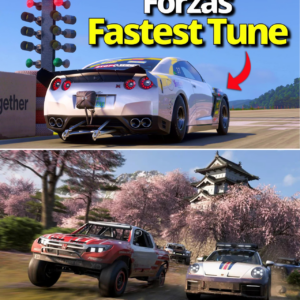
Beyond the Limit: Mastering Top Speed and Drag Tunes in Forza Horizon 6
IS YOUR CAR HITTING THE “SPEED WALL”? 🚀💨 Stop guessing your gear ratios and tire pressure! If you’re still losing drag races by a bumper or struggling to break 300 MPH on the highway, it’s not just your car—it’s your…
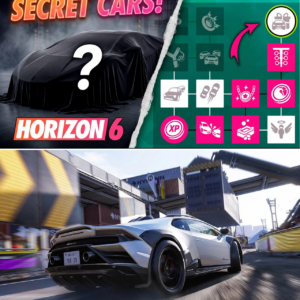
The Secret Garage: Unlocking Forza Horizon 6’s Hidden Mastery Exclusives
STOP SLEEPING ON YOUR CAR MASTERY TREES! 😱🚗 Did you know there are “secret” cars hidden inside Forza Horizon 6 that you can’t buy at the Auto Show? Most players are burning through Skill Points on boring credit boosts, completely…
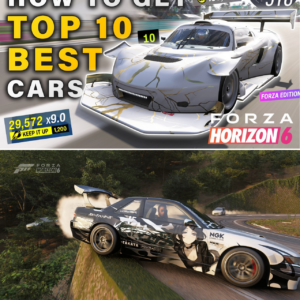
The Garage Essentials: Top 10 Must-Have Cars for Forza Horizon 6
STOP DRIVING STOCK! THESE 10 CARS WILL DOMINATE EVERY FH6 LEADERBOARD! 🏎️🔥 Still burning credits on cars that can’t keep up with the competition? The meta has officially shifted. Since the Tokyo map dropped, the top players have been quietly…
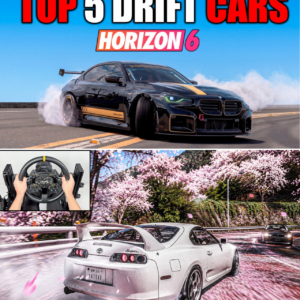
The Drift Kings of Japan: Top 5 Vehicles to Dominate Forza Horizon 6 Drift Zones
STOP WASTING CREDITS! THESE 5 DRIFT CARS ARE “BROKEN” IN FH6! 🏎️🔥 Still struggling to hit 3-stars in the new Japanese Drift Zones? You’re probably using the wrong build. While everyone is busy overpaying for supercars that can’t handle a…
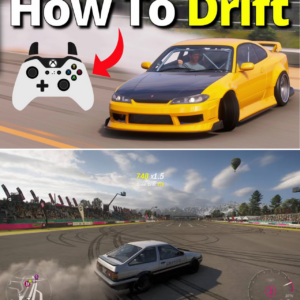
The Art of the Slide: Mastering Drift Mechanics in Forza Horizon 6
STOP “GRIPPING” YOUR WAY THROUGH CORNERS! 🏎️💨 Still struggling to hold a clean drift in Forza Horizon 6 without spinning out? You’re probably making the one mistake that every beginner falls for: trying to drive the racing line. Drifting isn’t…
End of content
No more pages to load