A respected professor’s perfect life shatters when her husband gets accused of something unspeakable… and then she spirals into a forbidden obsession with a much younger, dangerously alluring colleague 😈📚🔥
What starts as intellectual curiosity turns into raw, reckless desire that threatens to destroy her marriage, career, and sanity. Power dynamics flip, secrets explode, and every glance feels loaded with forbidden heat.
Netflix’s bold new 8-episode adaptation of the buzzed-about book just dropped and is already scorching Rotten Tomatoes with an 83% score—critics can’t stop talking about its provocative edge and Rachel Weisz’s fearless performance.
But is this obsession pure passion… or something far more destructive? Fans are calling it Netflix’s most uncomfortably addictive watch of the year. The steamy details, why it’s dividing opinions, and why you should dive in spoiler-free are right here—before the backlash hits harder 👇
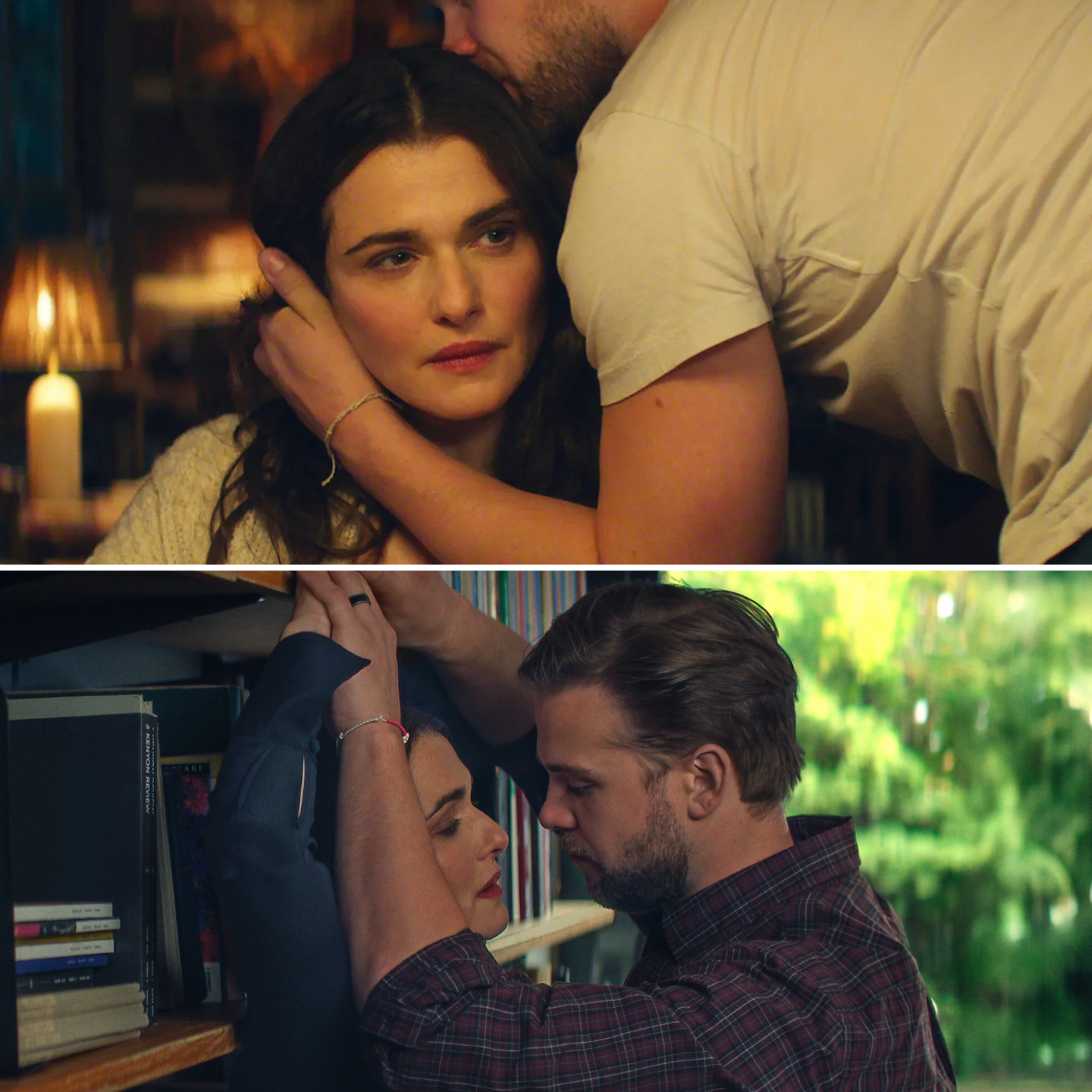
Netflix continues to invest in literary adaptations that push boundaries, often blending dark humor, psychological depth, and social commentary. The latest entry, “Vladimir,” an eight-episode limited series that premiered globally on March 5, 2026, fits this mold perfectly. Adapted from Julia May Jonas’s acclaimed 2022 debut novel of the same name, the show has generated early buzz for its unflinching exploration of desire, power, and moral ambiguity in academia. Starring Academy Award winner Rachel Weisz in the lead role and executive produced by her, the series has debuted to a solid 83% approval rating on Rotten Tomatoes based on initial critic reviews, signaling a strong start for what promises to be one of the platform’s more daring recent offerings.
The story centers on an unnamed English literature professor (Weisz) at a small liberal arts college. She appears to have a stable, if somewhat stagnant, life: a long marriage to fellow academic John (John Slattery), a respected position, and a routine that has grown comfortable. Everything changes when her husband becomes embroiled in a serious Title IX investigation over allegations of inappropriate conduct with students. The scandal rocks their world, forcing the professor to confront uncomfortable truths about her marriage and her own complacency.
Enter Vladimir (Leo Woodall), a charismatic, much younger new hire in the department. Handsome, brilliant, and enigmatic, he quickly becomes the object of the professor’s intense fixation. What begins as professional admiration evolves into a consuming obsession, blurring lines between mentor and object of desire. As she grapples with her unraveling personal life, the professor’s thoughts and actions grow increasingly reckless, threatening her career, relationships, and sense of self. The narrative unfolds through her perspective, offering an intimate, often uncomfortable look at female desire, aging, jealousy, and the seductive pull of forbidden attraction.
Jonas’s novel earned widespread praise upon publication for its sharp prose and bold examination of contemporary issues like #MeToo-era accountability, gender dynamics in academia, and the complexities of female sexuality. The adaptation, helmed by a team that includes Weisz’s involvement from the development stage, stays faithful to the book’s tone while expanding on its visual and performative elements. Weisz delivers a layered performance, capturing the professor’s intelligence, vulnerability, and growing desperation. Woodall, fresh off breakout roles, brings magnetic charm to Vladimir, making his allure feel both genuine and potentially dangerous. Slattery provides solid support as the flawed husband, adding nuance to a character who could easily become one-dimensional.
The series’ provocative nature stems from its refusal to shy away from explicit themes. It delves into sexual fantasy, power imbalances, and the hypocrisy that can exist in progressive environments. Critics have noted its dark comedic undertones, which lighten moments without diluting the tension. The pacing builds deliberately across the eight episodes, allowing character motivations to deepen before escalating consequences. Episodes alternate between intimate domestic scenes and charged campus interactions, creating a claustrophobic atmosphere that mirrors the professor’s internal turmoil.
Early reviews highlight the show’s strengths in performance and thematic ambition. Some praise it as a timely, incisive take on consent, desire, and institutional failures, while others appreciate its willingness to portray flawed, unlikeable characters without easy redemption. The 83% Rotten Tomatoes score reflects a consensus that it’s compelling and well-acted, though a few early takes suggest it risks alienating viewers with its discomforting subject matter. Audience reception will likely evolve as more people stream it, but the critical foundation positions “Vladimir” as a conversation starter.
Visually, the series benefits from a restrained aesthetic—quiet college towns, dimly lit offices, and close-up shots that emphasize unease. The score underscores psychological tension without overwhelming the dialogue. Netflix markets it as adult-oriented drama, earning a TV-MA rating for mature themes, language, and sexual content.
In the context of Netflix’s recent slate, “Vladimir” stands alongside other book-to-screen projects that tackle thorny issues, such as adaptations exploring relationships, identity, and societal hypocrisy. Its limited format ensures a concise, focused story without unnecessary extension. For viewers drawn to character studies with edge—like “The Affair” or “Your Honor”—it offers a fresh perspective centered on a middle-aged woman’s unraveling psyche.
As the series settles into global viewing, discussions around its portrayal of academia, female agency, and ethical gray areas are likely to intensify. Weisz’s commitment to the material elevates it beyond typical prestige fare, turning a provocative novel into a visually and emotionally arresting limited run. Whether it maintains its momentum or sparks debate, “Vladimir” arrives as a reminder of Netflix’s ongoing push for bold, literary-driven content that challenges as much as it entertains.
News
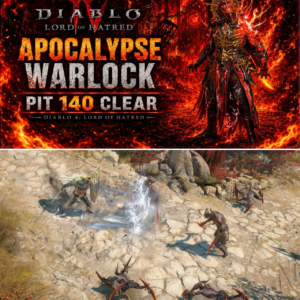
The Apocalypse Warlock: A Masterclass in High-Tier Pit Clearing
Think the Warlock is dead? Think again. 🧟♂️🔥 A brand new Apocalypse Warlock build has just hit Rank #2 on the PIT 140 leaderboards, proving once and for all that the Warlock is a powerhouse. We’re talking about a perfect…

The “God-Killer”: Why the Broken Penshot Arrow Storm Rogue is Dominating Season 13
Bosses melting in 1 SECOND? 🛑 This “Broken” Rogue build is officially illegal! 🏹🔥 Forget “meta”—this Penshot Arrow Storm Rogue is a total game-breaker. By stacking insane interaction bugs between Penetrating Shot, Arrow Storms, and the Umbracrux, players are hitting…
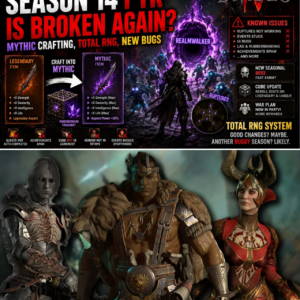
Chaos in the PTR: Is Diablo 4 Season 14’s Ambitious Overhaul Too Much to Handle?
Is Season 14 already BROKEN? 🛑 The “Total Chaos” disaster is real! The Season 14 PTR is off to a chaotic start, and players are calling it a “technical disaster.” From the Horadric Cube acting up and failing to apply…
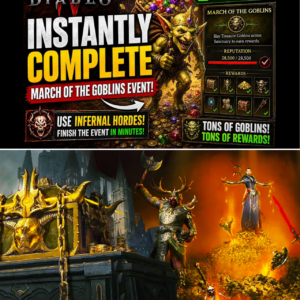
March of the Goblins: The Fastest Way to Stockpile Seasonal Riches
STOP grinding Infernal Hordes! 🛑 The “March of the Goblins” secret routes are printing loot! 🔥 Everyone is spamming Hordes, but you’re missing out on the biggest payout of Season 13! The March of the Goblins event is live, and…
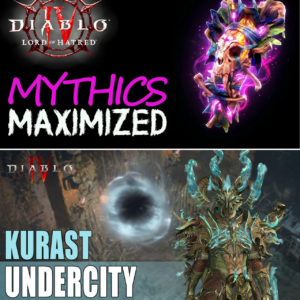
The “Undercity Reset”: How Players are Gaming Kurast’s RNG
STOP wasting your Mythic Tributes! 🛑 The “Undercity Reset” trick is here! 🔥 Are you tired of running the Kurast Undercity only to get zero Prankster spawns? Stop wasting your precious Mythic Tributes. Players have found a way to “force”…

The God-Tier Meta: Why the “Immortal Whirlwind Barbarian” is Defining Lord of Hatred
AFK through T12 Torment? 🛡️ Meet the “Immortal Whirlwind Barb” that’s breaking Diablo 4! 🌪️ Stop stressing about boss mechanics. With the right setup, you can literally stand AFK in the middle of Uber Mephisto and watch him tickle you…
End of content
No more pages to load