🚨 Gus Fring vs. Ramsay Bolton: The Ultimate Villain Showdown Is BACK — And It’s Tearing Fans Apart! 😈🔥
One is the ice-cold mastermind who builds an empire with polite smiles and poisoned chicken… the other is the sadistic psycho who flays people alive for fun and turns weddings into nightmares.
Read more:

A longstanding rivalry between fans of “Breaking Bad” and “Game of Thrones” has flared up once more, this time centered on two of television’s most chilling antagonists: Gustavo “Gus” Fring from the AMC crime drama and Ramsay Bolton from HBO’s fantasy epic. A recent viral post on X declaring Ramsay the superior villain — despite not being the central antagonist in his series — has sparked heated discussions across social media, YouTube, and forums, reviving comparisons that highlight stark differences in how each show crafts its villains.
Gus Fring, portrayed by Giancarlo Esposito, is the epitome of controlled menace. Introduced in Season 2 of “Breaking Bad” as a mild-mannered Los Pollos Hermanos franchise owner, he gradually reveals himself as a ruthless methamphetamine kingpin with a meticulous empire built on discipline, secrecy, and vengeance. His calm demeanor, polite speech, and ability to maintain composure even in extreme situations make his threats all the more unnerving. Iconic moments — such as his cold execution of a subordinate with a box cutter or the explosive reveal of his scarred face after a bomb — underscore a villain driven by calculated revenge rather than impulse.
Ramsay Bolton, played by Iwan Rheon, represents the opposite extreme. A bastard son elevated to lordship in “Game of Thrones,” Ramsay delights in cruelty for its own sake. His atrocities include flaying enemies alive, hunting women with dogs, psychological torture, and the infamous assault on Sansa Stark. Unlike Gus, who masks his darkness behind a facade of normalcy, Ramsay revels in it openly, using fear and sadism to dominate those around him. His unpredictability and gleeful sadism earned him widespread hatred among viewers, with many calling him one of the most despised characters in television history.
The debate gained fresh traction following a February 2026 X post that read: “ramsey bolton from game of thrones is a better villain than gus & he’s not even the main villain in the show. 😭” The comment, which quickly spread, prompted analyses on sites like FandomWire emphasizing the philosophical divide: Gus embodies order and precision, while Ramsay thrives on chaos and madness. Gus builds tension through suspense and the unknown; Ramsay shocks with graphic, visceral horror.
Supporters of Gus argue his villainy feels more realistic and insidious. Operating in the modern world, he infiltrates everyday life — a chicken restaurant chain serving as cover for a drug operation — making his threat feel uncomfortably plausible. His intelligence allows him to outmaneuver foes like Walter White for seasons, and his backstory of betrayal and loss adds layers of motivation beyond mere cruelty. Fans often cite him as one of TV’s most compelling antagonists because his evil is restrained, making rare outbursts devastating.
Ramsay’s defenders counter that his unfiltered sadism creates a deeper sense of dread. In a world of dragons, White Walkers, and political schemers, Ramsay stands out as a human monster whose pleasure in pain feels disturbingly authentic. Scenes like the Red Wedding aftermath or his treatment of Theon Greyjoy (whom he renames “Reek”) showcase a level of depravity that lingers with audiences. Some point out that Ramsay’s actions provoke stronger emotional reactions — revulsion, anger — than Gus’s more cerebral menace.
The comparison also touches on narrative roles. Gus serves as a primary antagonist for much of “Breaking Bad,” driving the plot through his conflict with Walter White. Ramsay, while memorable, is one of many threats in “Game of Thrones,” often overshadowed by figures like Cersei Lannister or the Night King. Yet his impact persists: actor Iwan Rheon has spoken about the backlash from fans, including receiving hate mail for the character’s brutality.
Broader discussions extend to what defines a “great” villain. Gus represents the sophisticated, business-like evil of organized crime — evil as a profession. Ramsay embodies primal, unrestrained psychopathy — evil as indulgence. Polls on Reddit and Facebook often split, with Gus edging out in “scariest” categories for his unpredictability within composure, while Ramsay dominates “most hated” lists for sheer brutality.
This isn’t the first time the two shows’ fandoms have clashed. Past debates have covered everything from Walter White’s morality to overall series quality, including review-bombing incidents. The villain matchup taps into larger questions about prestige TV: Does restrained menace or overt horror create more lasting terror? Both approaches succeed in their contexts — “Breaking Bad” with its grounded realism, “Game of Thrones” with its epic scope and medieval brutality.
As streaming revivals and spinoffs keep both universes alive — from “Better Call Saul” deepening Gus’s backstory to “House of the Dragon” exploring Targaryen intrigue — these characters remain benchmarks. Giancarlo Esposito’s Gus has become a cultural icon, referenced in everything from memes to political commentary for his unflappable style. Ramsay’s name is shorthand for sadistic cruelty, invoked whenever a character crosses into irredeemable territory.
Ultimately, the debate may have no clear winner. Gus Fring terrifies through intellect and restraint; Ramsay Bolton through raw, unapologetic evil. Fans on both sides agree on one point: television rarely produces villains as unforgettable as these two. Whether one prefers the quiet killer or the flaying lord, the conversation ensures both legacies endure.
News
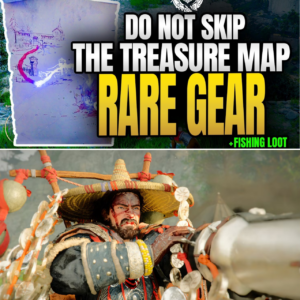
The Art of Discovery – Why Ulzok’s Cave Rewards the “Unrushed” Player
Think you’ve cleared the map? You’re missing the secret gear hidden in Ulzok’s Cave. 🕵️♂️🔥 Exploration in Crimson Desert is all about those “Aha!” moments, but some secrets are buried so deep the community is still hunting for them. We’re…

The Gold Rush – Maximizing Wealth in the Current Crimson Desert Meta
21 Gold Bars in ONE run? Stop wasting your time with outdated gold farms. 💰🔥 If you’re still grinding low-yield trade routes, you are falling behind. We’ve discovered a “golden” method that turns your inventory into a gold mine in…

The New Meta – Analyzing the Post-1.08 “Boss-Melter” Build
The game-breaking build that just dropped after Update 1.08. 🔫🗡️ Pearl Abyss just enabled guns for Cliff, and the meta has officially been broken. We’re talking about a Two-Handed Sword + Bleed Shotgun hybrid that deletes bosses in seconds. This…
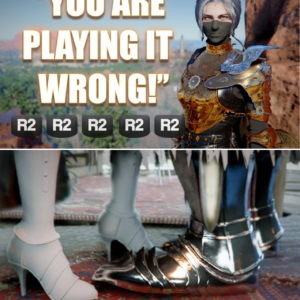
Beyond the Surface – Why Crimson Desert’s Combat Demands Mastery
Stop mashing buttons! You’re playing Damiane like a beginner. 🎮🔥 Think the combat in Crimson Desert is just “hold R2 to win”? You couldn’t be more wrong. While everyone else is stuck on basic attacks, the top-tier players have already…

The Efficiency Trap – Optimizing Abyss Artifact Farming in Crimson Desert
Stop grinding combat. This “broken” Disruptor farm nets you 30+ Abyss Artifacts in minutes. ⚡🔥 Everyone is out here fighting bosses for XP, but the real secret to farming Abyss Artifacts is actually… not fighting at all. By utilizing the…

The Horizon Problem – Why a Spyglass is the Missing Link in Crimson Desert’s Exploration
Crimson Desert’s map is massive, but we’re playing half-blind. Pearl Abyss, we need to talk. 🔭🔥 Exploration in Crimson Desert is top-tier, but there’s one glaring omission that’s killing the experience: a functional, portable Spyglass. Sure, we have Photo Mode,…
End of content
No more pages to load