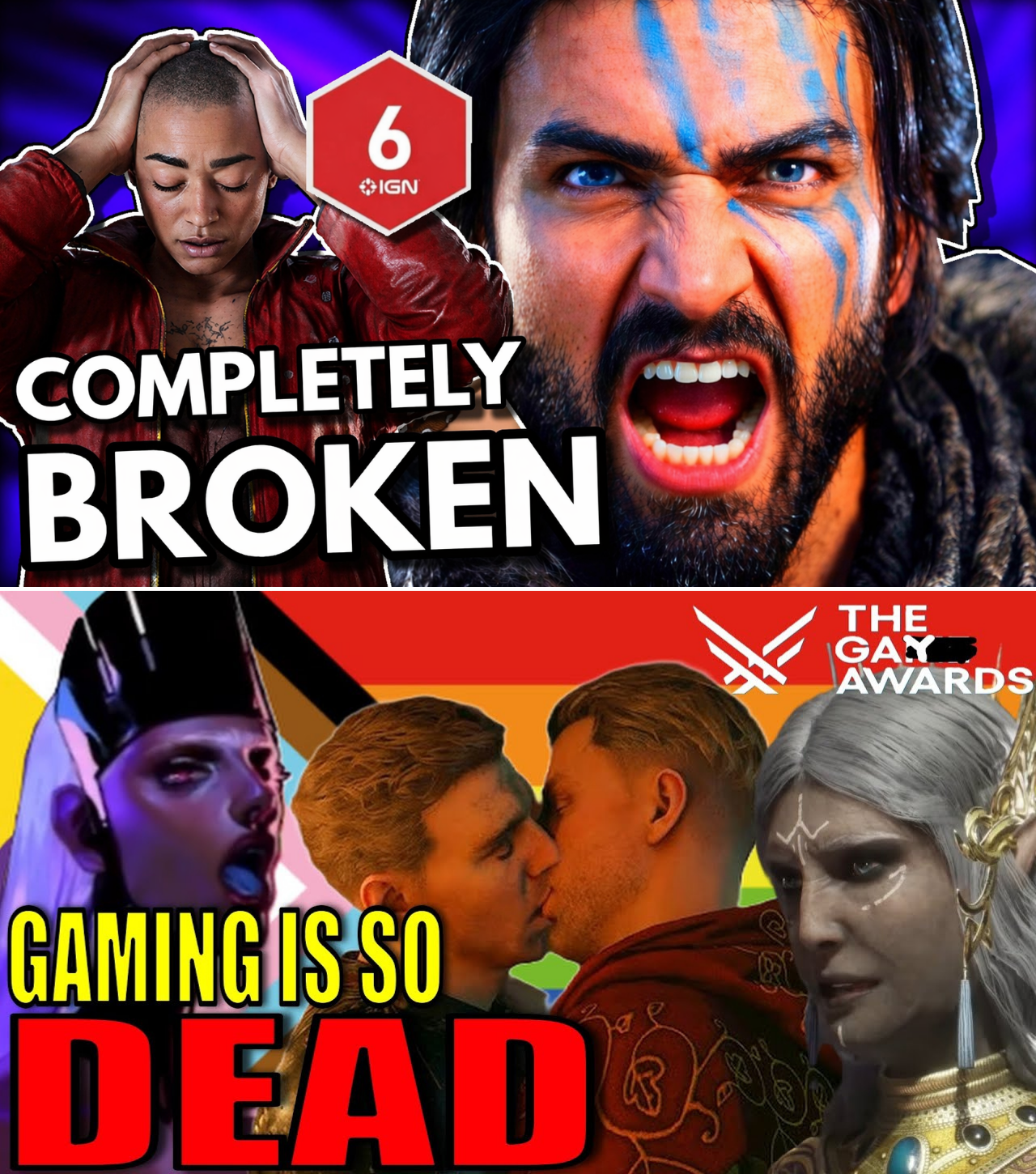
EXPOSED: THE 6/10 SCANDAL THAT JUST BROKE THE GAMING INDUSTRY! 📉🔥
You thought the console wars were intense? That’s nothing compared to the war between legacy media and reality. Crimson Desert just stripped away the “corporate spin” from major outlets like IGN, and it is NOT pretty.
How does a masterpiece like Crimson Desert get a 6/10, while live-service failures that shut down in WEEKS (looking at you, Concord) get a comfortable 7/10? 🧐 Even crazier: Western studios like Bungie get to “delay” their reviews until they fix their games, but Pearl Abyss was judged on Day 1 without mercy. The double standard is so loud it’s deafening. 🔊
The truth? 5 million players and a 90%+ user score don’t lie. Reviewers are now caught arguing with fans on X and “begging” editors for a re-do because they blinked under pressure. They didn’t just miss the mark—they exposed a broken system designed to protect the “old guard” while dragging innovative East Asian studios through the mud. 🚮
Is the era of the “Professional Critic” officially dead? The numbers say YES. Read the full investigative report on the double standards rotting your favorite hobby! 👇
For years, the gaming community has whispered about “access journalism” and the perceived bias of major Western outlets. This week, those whispers turned into a roar as Crimson Desert became the catalyst for a full-blown industry exposure.
The controversy, now dubbed “Six-Gate,” centers on a glaring discrepancy: how a game hailed by millions as a “Game of the Year” contender was branded “below average” by the institutional press, while catastrophic failures were shielded by generous scores.
The Travis Northup Anomaly At the heart of the storm is IGN reviewer Travis Northup. His 6/10 verdict for Crimson Desert—locked in before any post-launch patches—placed the ambitious Korean epic in a lower bracket than titles that have literally ceased to exist.
Data analysts and fans on X (formerly Twitter) were quick to point out a disturbing pattern in Northup’s recent history. He awarded a 7/10 to Concord, a live-service shooter that was shut down by Sony within two weeks due to a lack of players. He also gave a 7/10 to High Guard, another title pulled from sale after just 45 days.
“To suggest that a game like Crimson Desert, which 5 million people are actively loving, is worse than a game that nobody wanted to play for free is mathematically and artistically absurd,” said analyst Lady Decade in a scathing viral report.
The “American Grace Period” vs. The “Korean Deadline” Perhaps the most damaging revelation involves the “Double Standard” of patience. When Bungie (an American studio) released Marathon, they reportedly asked major outlets to delay their final reviews until “endgame content” could be patched in. IGN and Northup complied, eventually awarding it a 9/10 “Editor’s Choice.”
In contrast, Pearl Abyss was extended no such courtesy. Despite Crimson Desert being an evolving product, its score was fixed at its most vulnerable moment. This inconsistency had real-world financial teeth; Pearl Abyss’s stock reportedly fell nearly 30% following the early wave of mediocre critic scores, even as the game dominated Steam’s “Most Played” charts.
The Re-Review Retraction In a move that many see as a total collapse of editorial integrity, Northup has reportedly begun asking his editors for a “re-review” of Crimson Desert. This request follows weeks of heated public arguments on social media, where the reviewer attempted to defend his original stance before seemingly “blinking” under the weight of public scrutiny.
“You don’t seek a re-review because the internet got mean to you,” noted one industry veteran on Discord. “You do it because you realize your verdict has become a liability to your outlet’s credibility.”
A Pattern of Geographic Bias? Crimson Desert is not an isolated case. Industry observers are drawing lines between this controversy and the previous treatment of Black Myth: Wukong (Chinese) and Stellar Blade (Korean). Both titles faced intense scrutiny over “studio culture” or “character design” from the same ecosystem of outlets that now seem intent on finding fault with Crimson Desert’s narrative while ignoring its technical and systemic triumphs.
Critics have even gone as far as comparing Crimson Desert’s narrative to the technical disaster of Cyberpunk 2077’s launch—a comparison that was hit with a humiliating “Community Note” on X for being misleadingly framed.
The Death of the Institutional Critic The “Crimson Scandal” may well mark the end of an era. With over 3 million Steam wishlists and a concurrent player count that placed it just behind Counter-Strike 2, the market has rendered the 6/10 score irrelevant.
As legacy media continues to hemorrhages trust, players are turning to community platforms and independent creators who operate without corporate ties or “access relationships.” The message is clear: if the system is designed to protect failing Western live-services while punishing innovative global masterclasses, the audience will simply build a new system.
Pywel has been liberated—not just from bandits, but from the “Gatekeeper” narrative.
News
The Mid-Season Strategic Shift: What’s Next for High Potential Season 3
The High Potential wait is officially painful—but it’s for a genius reason! 🕵️♀️💥 You’ve noticed it: High Potential is nowhere to be found on ABC’s Fall 2026 schedule. Panic? Not yet. The network just dropped a bombshell explanation for the…

The Aftermath of Mid-Wilshire’s Darkest Hour: The Rookie Season 9 Preview
The Mid-Wilshire team is in their biggest crisis yet—and the Rookie Season 8 cliffhanger left us absolutely shattered! 🚔🔥 Lucy and Tim have been abducted, and nobody knows they’re gone. The season finale didn’t just break viewership records; it left…
Grey Sloan in Crisis: What to Expect from Grey’s Anatomy Season 23
The bridge collapsed, and Grey Sloan Memorial will never be the same! 🏥💥 If you thought the Season 22 finale was brutal, Season 23 is coming to pick up the pieces—but not everyone is making it out. With Owen and…

Chronological Collisions: How Blood of My Blood Season 2 Plans to Integrate the Outlander Finale
The Outlander reunion of the century is finally happening—and it’s not where you think! 😱⏳ Fans have been theorizing for years, but the Blood of My Blood Season 2 trailer just dropped the biggest hint yet: Claire is coming to…

Beyond the Books: Why Off Campus Season 2 Is Poised to Shatter Fan Expectations
The Off Campus Season 1 finale was just the beginning—Season 2 is officially rewriting the rules! 🏒🔥 Think you know what happens next because you’ve read the books? Think again. The showrunners just confirmed they are going completely off-script, and…
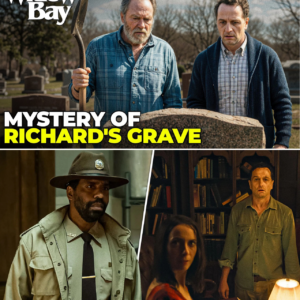
Unearthing the Curse: Widow’s Bay Episode 6 Prepares for a Narrative Storm
The Widow’s Bay mystery just hit a breaking point—and we finally know what’s buried in Richard Warren’s grave! 😱 If you thought the “True Sight” mushrooms were crazy, wait until you see what’s actually hidden inside the founding father’s resting…
End of content
No more pages to load