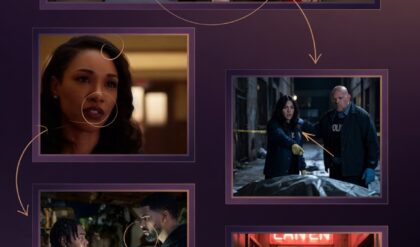
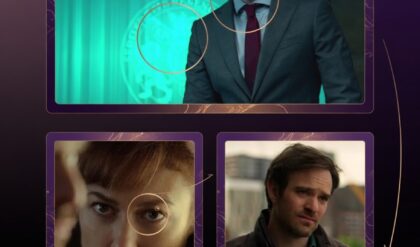
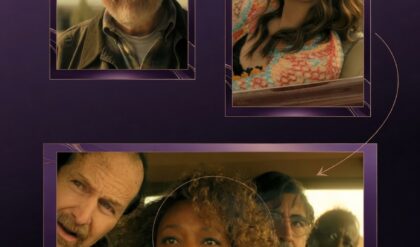
🚨 YOU WERE NEVER SUPPOSED TO TAKE THE JOB. But you did, and now there’s no turning back.
If you’re looking for a show that will have you staring at your ceiling at 3 AM questioning every single person in your life—this is it. Netflix’s Treason is currently the most divisive show on the platform, and the internet is absolutely losing its mind.
One half of the web says it’s an addictive, heart-pounding spy thriller that you’ll finish in one sitting. The other half? They’re “rage-posting” about how the plot holes will drive you insane. But honestly? The chaos is exactly why you need to watch it. You’ll be screaming at the screen by the final episode, and you won’t be able to look away.
Are you on Team “Masterpiece” or Team “Disaster”? See for yourself and try not to lose your mind 👇
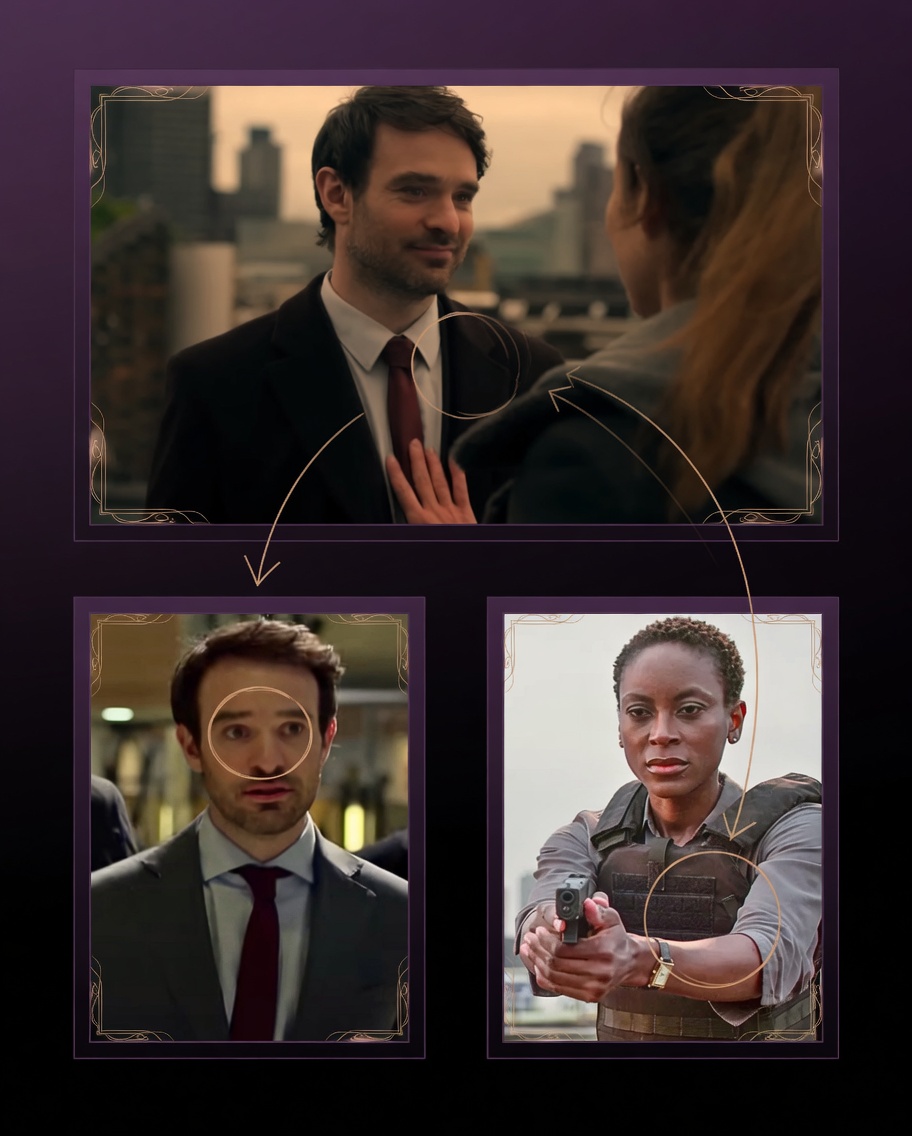
In the crowded landscape of streaming espionage, few shows manage to generate the sheer volume of polarized debate as Netflix’s five-part limited series, Treason. Starring Charlie Cox—best known for his turn as Marvel’s Daredevil—the series has become a “must-watch” for the wrong reasons, with viewers and critics finding themselves deeply divided over its pacing, logic, and explosive conclusion.
The Setup: A High-Stakes MI6 Gamble
The series centers on Adam Lawrence (Cox), a deputy director of MI6 who is unexpectedly thrust into the top job after his mentor, Sir Martin Angelis (Ciarán Hinds), is poisoned. What should be a career-defining moment quickly devolves into a labyrinth of deception when an old flame, Kara (Olga Kurylenko), re-emerges. Kara, an SVR operative with a vendetta, reveals that she is the one responsible for the poisoning and that Adam’s rapid rise to power was not a coincidence—it was engineered.
As Adam tries to navigate the treacherous waters of international intelligence while protecting his family, his wife, Maddy (Oona Chaplin), begins to unravel the truth. With the CIA breathing down his neck and the bodies piling up, the series is built on a foundation of “don’t trust anyone.”
A Tale of Two Reviews
The discourse surrounding Treason is characterized by a stark gap between professional critics and the general viewing audience. Critics generally praise the series for its brevity and “breezy” pacing. At only five episodes, it avoids the common pitfalls of bloated streaming seasons, functioning more like an extended, high-budget film.
“It makes the spy genre exciting again by finding a refreshing angle into the action,” noted WhyNow, praising Cox’s performance as inherently likable, which helps anchor a story that occasionally stretches the limits of realism.
However, the audience reception tells a different story. On platforms like Rotten Tomatoes and Reddit, viewer scores have been significantly lower, with many citing the show’s “preposterous” plot mechanics and lapses in logic. A common criticism involves the series’ portrayal of security and espionage protocols—viewers have pointed out the absurdity of high-level intelligence officers constantly dodging their security details to hold secret meetings in broad daylight in one of the most surveilled cities in the world.
“It forces the personal drama into absurdity so the dumb, unbelievable espionage story will make sense,” one user remarked in a viral forum thread. Others were particularly incensed by the ending, which some viewers felt was unceremonious and undermined the entire arc of the series.
Why the “Disaster” Is Still Worth Watching
The most fascinating aspect of Treason is not its narrative consistency, but its ability to sustain engagement despite its flaws. In an industry where “perfectly crafted” shows often fail to make a cultural impact, Treason thrives on its own instability.
The “rage-posting” from viewers who hated the show actually serves to drive curiosity. Whether viewers are watching to see if the ending is truly as frustrating as reported, or whether they are simply drawn to the star power of Cox, Kurylenko, and Chaplin, the result is the same: the series continues to find new audiences long after its initial release.
As one reviewer for Pajiba pointed out, “There’s always a reason when there is a vast division between the audiences and critics.” In the case of Treason, that reason is a willingness to trade gritty, Le Carré-style realism for a fast-paced, soap-opera-esque ride that demands the viewer abandon their skepticism at the door.
The Verdict: A Guilty Pleasure?
Is Treason a masterpiece of the genre? Likely not. It lacks the cerebral depth of Slow Horses and the tactical rigor of Jack Ryan. However, if your goal is to lose a weekend to a high-speed, twisty mystery that keeps you guessing (or shouting) until the final frame, it succeeds admirably.
Ultimately, Treason serves as a reminder that television doesn’t always have to be “smart” to be gripping. Sometimes, a dash of betrayal, a charismatic lead, and enough plot twists to fill a dozen episodes are all it takes to keep an audience hooked—regardless of whether they love it or hate it.
News
The ‘Nemesis’ Effect: Why Netflix’s Latest Thriller Is Keeping the World Awake at Night
🚨 WARNING: Do not start this if you have plans for the rest of your day. Netflix just dropped Nemesis, and the internet is officially spiraling. It’s climbing the global charts at lightning speed, and for good reason—this thriller is…

The ‘Stressfully Addictive’ Hit: Why Netflix’s ‘Treason’ Has Viewers Pulling All-Nighters
🚨 3 AM AND STILL WATCHING: The spy thriller everyone is calling a “hidden gem” you’ve been sleeping on! If you think you know spy dramas, think again. Treason is currently blowing up on social media, with fans admitting they…

The Phantom at the Window: Why the ‘Outlander’ Ghost Mystery Continues to Haunt Fans
🚨 THE SCENE THAT NEVER WAS: The ‘Outlander’ secret that’s driving fans into a total meltdown! We all remember that haunting moment in the Outlander pilot—Frank Randall staring at a mysterious figure in 18th-century Highland garb, standing outside Claire’s window…
The Darkest Corner of Netflix: Why Viewers Are Hooked on This Unsettling Nordic Noir Masterpiece
🚨 STOP EVERYTHING. If you haven’t started this Nordic thriller yet, you’re missing the most disturbing thing on Netflix right now. I thought I knew “dark,” but this show? It’s a whole different level of unsettling. We’re talking about a…

The ‘3 AM Phenomenon’: Netflix’s New 80s-Inspired Mystery Has Viewers Hooked and Demanding Answers
🚨 STOP SCROLLING: You’re about to lose your entire social life for the next 8 hours. Everyone on my feed is whispering about that one Netflix show—the one that makes you forget to eat, sleep, or check your phone until…
The Overlooked Powerhouse: Why Lightning Spear is Dominating the Post-0.5 Meta
DID GGG FORGET TO NERF THIS?! THE “LIGHTNING SPEAR” BUILD IS OFFICIALLY BROKEN ⚡ Everyone is talking about the nerfs in Patch 0.5, but there’s one skill that Grinding Gear Games completely overlooked—and it’s currently tearing through the endgame. Forget…
End of content
No more pages to load