🚨 SHOCKING TWIST: The legendary “Trial of Seven” just exploded on screen… but what the show HIDES from the books will leave you speechless! 😱
In the books, this brutal clash of champions was raw, unforgiving, and packed with heartbreaking betrayals that changed everything. But the adaptation? They flipped things HARD!
You think you know how it ends… think again. The differences are massive—and they’re tearing the fandom apart! 🔥👇
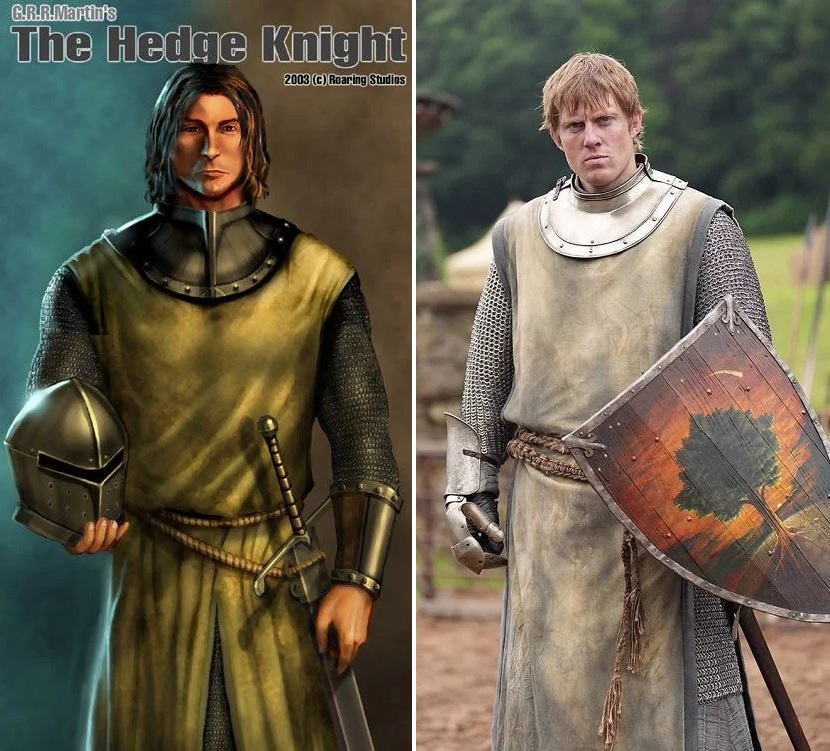
The recent episode of HBO’s A Knight of the Seven Kingdoms, titled “Seven,” brought one of George R.R. Martin’s most anticipated sequences to life: the Trial of Seven. This medieval spectacle—a rare, high-stakes trial by combat involving seven champions on each side—served as the dramatic centerpiece of the episode, pitting Ser Duncan the Tall (Dunk) and his allies against Prince Aerion Targaryen (“Brightflame”) and his supporters.
While the show faithfully captures the essence of the clash from Martin’s novella The Hedge Knight (the first in the Tales of Dunk and Egg series), significant differences emerge in character motivations, backstories, fight choreography, and outcomes. These changes have sparked debate among fans, with some praising the added emotional depth and others arguing they alter the spirit of Martin’s original tale.
The Trial of Seven itself is a historical rarity in Westeros, invoked only a handful of times in the lore. It escalates a standard trial by combat into a massive melee of 14 fighters, reflecting the gravity of accusations against a knight for harming royalty. In both the book and show, Dunk stands accused after intervening to stop Aerion from burning a puppeteer alive with wildfire during a tournament at Ashford Meadow.
Core Similarities
The basic structure remains intact. Dunk, a hedge knight traveling with his young squire Egg (secretly Prince Aegon Targaryen), defends the honor of the puppeteer Tanselle Too Tall. Aerion demands a trial of seven, forcing Dunk to scramble for champions. The trial unfolds as a chaotic battlefield brawl, with lances, swords, and brute force deciding guilt or innocence.
Key participants align closely:
Dunk’s side includes steadfast allies like Ser Lyonel Baratheon (the Laughing Storm), Ser Humfrey Hardyng, Ser Humfrey Beesbury, and others who rally to the underdog cause.
Aerion’s side features royal loyalists, including Prince Maekar Targaryen’s men and opportunistic knights.
Both versions emphasize the trial’s brutality: armored men hacking at each other in the mud, horses charging, and the constant risk of death. The outcome hinges on a dramatic intervention that shifts the battle’s tide.
Major Differences in Setup and Backstory
One of the show’s most notable additions is expanded backstory for Dunk. In Martin’s novella, Dunk’s past is sparse—he’s a former Flea Bottom orphan who served under Ser Arlan of Pennytree and claims knighthood without formal proof. The show, however, introduces new scenes delving into Dunk’s early life, including his relationship with Arlan and hints at personal traumas that shape his moral code. This fleshes out his character but deviates from the book’s more mysterious, self-made knight archetype.
The episode also tweaks the knighting vow reference (“In the name of the Mother, I charge you to defend the young and innocent”) to underscore themes of protection, tying it more explicitly to Dunk’s defense of the vulnerable. While the book implies Dunk’s chivalry, the adaptation makes it a central emotional driver.
Changes to the Trial Dynamics
The fight choreography differs markedly. Martin’s text describes the trial in vivid but concise prose, focusing on the confusion of battle and individual heroics. The show renders it cinematically: viewers experience much of it from inside Dunk’s helmet, hearing his labored breathing and seeing through the visor slit. This immersive POV heightens tension but compresses some of the book’s multi-perspective chaos.
A key divergence involves the involvement of Baelor Breakspear, the Prince of Dragonstone and Hand of the King. In the book, Baelor joins Dunk’s side late, declaring for the defense in a stunning show of justice over family loyalty. His arrival turns the tide, but tragedy strikes when he’s fatally injured—possibly by his brother Maekar or in the melee’s frenzy.
The show preserves this shock but adds layers to the alliances and motivations. Some fans note that the adaptation emphasizes Baelor’s internal conflict more, portraying his decision as a moral stand against his family’s excesses. The fatal blow’s ambiguity is retained, but the visual spectacle amplifies the drama, with slow-motion impacts and clearer shots of the carnage.
Character Portrayals and Omissions
Aerion Targaryen remains a volatile, cruel antagonist in both. The book portrays him as unhinged, obsessed with proving his “dragon blood” through fire. The show leans into this, with Finn Bennett delivering a performance that mixes arrogance and instability.
Supporting characters see tweaks: Ser Lyonel Baratheon is depicted with more warmth and humor in the adaptation, contrasting his fearsome reputation. The book keeps some fighters more anonymous, while the show gives them distinct moments to shine (or fall).
One omission stands out: the novella’s subtle foreshadowing of larger Targaryen family tensions is expanded in the show, planting seeds for future Dunk and Egg stories. This includes more emphasis on Egg’s secret identity and his growing bond with Dunk.
Outcome and Aftermath
Both versions end with Dunk’s side prevailing, though at great cost. Baelor’s death is a pivotal tragedy, shaking the realm and influencing the line of succession. The book uses this to highlight themes of honor, loyalty, and the fragility of justice in a feudal system. The show mirrors this but adds emotional weight through Dunk’s reflections and Egg’s reactions, making the victory bittersweet.
Critically, the adaptation has been praised for its production values—stunning armor, practical effects, and intense combat sequences. However, purists argue that compressing the trial and adding modern dramatic beats risks diluting Martin’s understated style.
Why the Changes Matter
Adaptations often condense sprawling source material for television pacing. A Knight of the Seven Kingdoms showrunner Ira Parker and the writing team have stated they aimed to honor the novellas while making them accessible to a broader audience. The added backstory and visual flair serve this goal, but they inevitably shift tone from the book’s grounded, almost folk-tale quality to high-stakes epic drama.
Fans of the A Song of Ice and Fire universe will recognize echoes of later events, like trial-by-combat precedents in Game of Thrones. The Trial of Seven stands out as a spectacle that underscores Westeros’ reliance on might over right—yet also the possibility of true heroism prevailing.
As the season builds toward its finale, these differences highlight the challenges of bringing Martin’s intricate world to screen. Whether they enhance or detract depends on perspective: newcomers may find the show more emotionally engaging, while longtime readers might prefer the novella’s raw simplicity.
The Trial of Seven remains a landmark moment in Martin’s storytelling—one that the HBO series both reveres and reinterprets. In a realm where justice is often decided by steel, the battle’s legacy endures, on page and on screen.
News
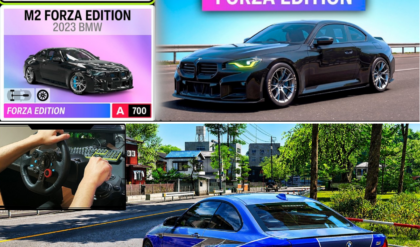
The Hunt for Excellence: How to Secure the BMW M2 Forza Edition in Forza Horizon 6
THE BMW M2 FORZA EDITION IS HERE—BUT HOW DO YOU ACTUALLY GET IT? 🏎️🔥 Everyone wants the BMW M2 Forza Edition. It’s the ultimate grip machine, and for a good reason—it’s currently one of the most exclusive cars in Forza…
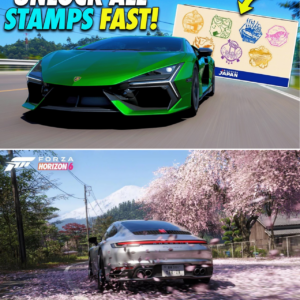
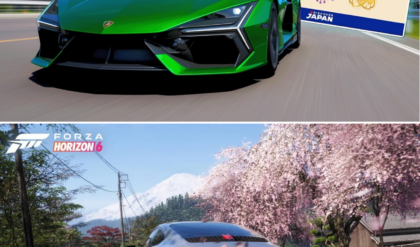
The Gold Standard: How to Rapidly Progress Through the “Discover Japan” Series
WANT THE GOLD STAMP? STOP GRINDING RACES AND DO THIS INSTEAD! 🏆🇯🇵 Are you still stuck on the “Pink” or “Orange” Stamp tier in Forza Horizon 6? You’re playing it wrong. The road to the Gold Stamp isn’t just about…
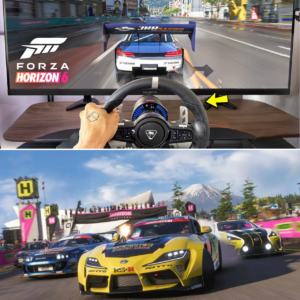
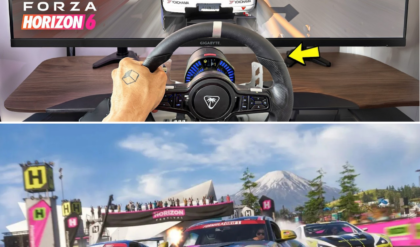
The Wheel Revolution: Why Forza Horizon 6 is Finally a Sim-Racer’s Playground
IS THE “WHEEL CURSE” FINALLY BROKEN IN FORZA HORIZON 6? 🏎️🎮 For years, Forza was a “controller-only” game. Using a wheel felt like fighting a losing battle against the physics engine—but everything changed with the launch of Forza Horizon 6….
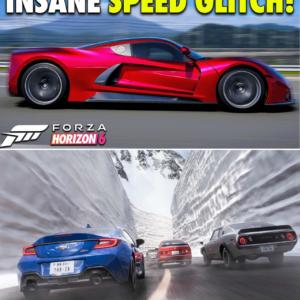
Speed Demon or System Cheat? The Forza Horizon 6 Leaderboard Controversy
IS THIS THE END OF FAIR PLAY? THE 100,000 KM/H SPEED GLITCH! 🛑🏎️ If you’ve checked the Forza Horizon 6 leaderboards recently, you’ve probably seen the impossible: players hitting speeds of over 100,000 km/h on simple speed traps. No, it’s…
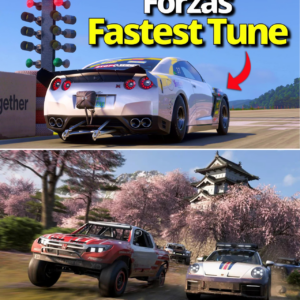
Beyond the Limit: Mastering Top Speed and Drag Tunes in Forza Horizon 6
IS YOUR CAR HITTING THE “SPEED WALL”? 🚀💨 Stop guessing your gear ratios and tire pressure! If you’re still losing drag races by a bumper or struggling to break 300 MPH on the highway, it’s not just your car—it’s your…
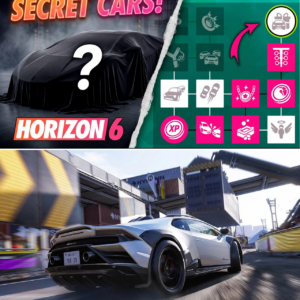
The Secret Garage: Unlocking Forza Horizon 6’s Hidden Mastery Exclusives
STOP SLEEPING ON YOUR CAR MASTERY TREES! 😱🚗 Did you know there are “secret” cars hidden inside Forza Horizon 6 that you can’t buy at the Auto Show? Most players are burning through Skill Points on boring credit boosts, completely…
End of content
No more pages to load