😱 You think modern dating is tough? These STRICT etiquette rules women HAD to follow in the Bridgerton era will make you THANK YOUR LUCKY STARS you weren’t born back then! 🔥
Imagine: No sitting next to a man in a carriage… EVER. No laughing too loudly in public. No being alone with ANY gentleman – not even for a second. Hair ALWAYS up, gloves ON during dances to avoid ANY skin touch, and one wrong glance could RUIN your entire future forever.
From forbidden first names before engagement to chaperones shadowing your every move, the pressure was insane – one tiny slip-up and scandal sheets like Lady Whistledown would destroy you.
Reason #1 is pure nightmare fuel: Periods? Handled with rags and zero privacy. And wait till you see #19 – the one rule that made even the boldest debutantes tremble…
Modern women complain about glass ceilings? Try living under THIS iron cage of “propriety”! 👇
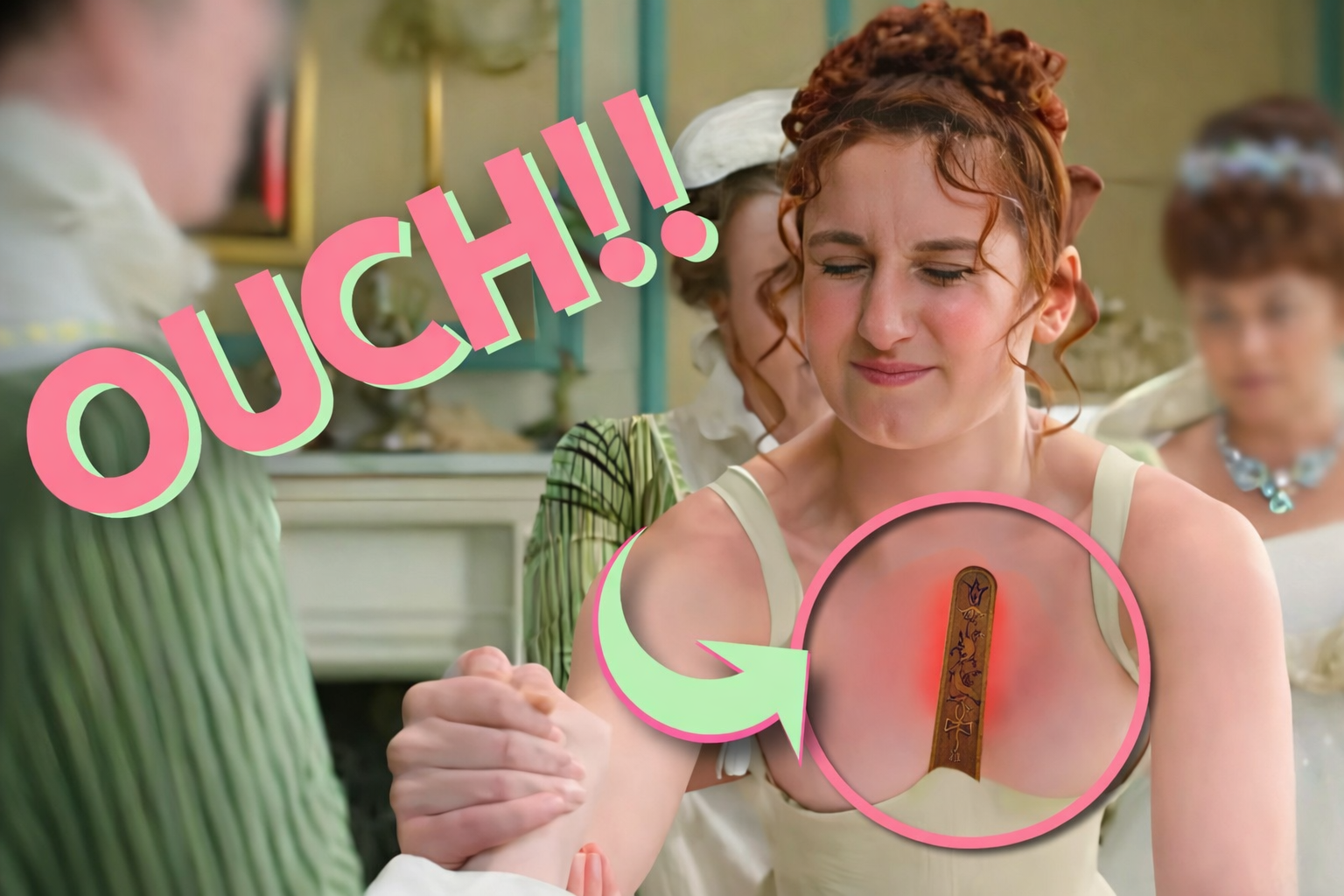
The Netflix sensation Bridgerton has captivated audiences with its lavish balls, steamy romances, and high-society drama set in Regency-era England (roughly 1811-1820). While the show takes creative liberties—ramping up scandals and modernizing some attitudes—the strict code of etiquette governing women’s lives was very real. In the world of the “Ton,” a woman’s reputation was everything. One misstep could end her chances of a good marriage, social acceptance, or financial security in an era when options for women were severely limited.
Historians and etiquette experts agree: Regency society operated under rigid rules, especially for unmarried women. These weren’t just polite suggestions—they were survival tools in a marriage market where family alliances, dowries, and social standing mattered more than personal feelings. Here’s a look at some of the most restrictive etiquettes women navigated daily, drawn from period conduct books, historical accounts, and analyses of the era that inspired Julia Quinn’s novels and the hit series.
-
No Unchaperoned Time with Men Unmarried women under 30 could never be alone with a gentleman—not in a room, not on a walk, not even briefly. A chaperone (usually a married woman or family member) was mandatory to prevent any hint of impropriety. Being caught alone could spark rumors that ruined reputations overnight.
No First Names Until Engaged Courting couples addressed each other formally as “Mr.” or “Miss” in public. Using first names signaled unacceptable intimacy before an official engagement. This rule discouraged premature emotional bonds in a system where marriages were often strategic.
No Skin-to-Skin Contact Before Marriage Even during the most “intimate” public activity—dancing—gloves were required. Couples held hands through fabric to avoid direct touch. Dancing was one of the few ways young people could get close, but rules kept it strictly non-sexual.
No Sitting Next to a Man in a Carriage In closed carriages, women sat opposite gentlemen or with a chaperone between them. Sitting beside a man implied familiarity that could fuel gossip. Open-air promenades in Hyde Park were safer for “accidental” encounters, but still supervised.
Perfect Posture and Deportment at All Times Women had to stand and walk ramrod straight—no slouching, no leaning. Conduct manuals stressed elegant carriage as a sign of breeding. Poor posture could mark a lady as unrefined or vulgar.
Hair Up, Never Down Unmarried women wore their hair pinned up in public as a symbol of modesty. Loose hair was reserved for very young girls or intimate family settings. Letting it down signaled impropriety.
No Loud Laughing or Outbursts in Public Laughter had to be restrained and ladylike—never boisterous. Emotional displays, like anger or excessive joy, were frowned upon. Women were expected to remain composed, charming, and agreeable.
Drinking Only at a Gentleman’s Invitation Women couldn’t order or pour their own drinks in mixed company. Accepting alcohol only when offered by a man maintained decorum and prevented any appearance of overindulgence.
Multiple Dance Partners Required At balls, women danced with various partners rather than fixating on one man. Accepting too many dances from the same gentleman signaled serious interest prematurely. Refusing a dance invitation was allowed but had to be done graciously to avoid offense.
No Private Conversations or Notes Without Oversight Love letters were risky and often intercepted by family. Private talks were limited; most courtship happened in public or group settings.
Periods Handled in Secret with Rags No modern sanitary products existed. Women used cloth rags, washed discreetly. Discussing menstruation was taboo, adding to the physical and emotional burden.
Multiple Outfits Per Day Women changed clothes several times daily—morning dress, walking dress, evening gown—each suited to the occasion. Fashion reflected status, but rules dictated modesty in cut and fabric.
No Scratching, Spitting, or Crude Habits Etiquette forbade any bodily adjustments in public—no scratching, picking teeth, or leaning elbows on tables. Women ate delicately and silently at dinners.
Presentation to the Queen Mandatory for Debut Young ladies “came out” by being presented at court, curtsying before Queen Charlotte. Failure or poor performance could hinder social entry.
Chaperones Everywhere Even engaged women needed supervision until marriage. Independence was rare.
No Eating Certain Foods Indelicately Some foods, like hare ears, were avoided as unladylike. Women toyed with food elegantly rather than eating heartily.
Conversation Limited to Safe Topics Women steered clear of politics, religion, or anything controversial. Charm came from virtue, taste, and agreeable talk—not intellect that might intimidate.
Reputation Above All A single rumor—real or fabricated—could end prospects. Scandal sheets thrived on gossip, much like Lady Whistledown.
Marriage as Economic Necessity For most, marriage secured financial stability. Unmarried women past a certain age faced spinsterhood and dependence on family. The pressure to secure a match was immense.
These rules, while appearing archaic today, protected women’s reputations in a patriarchal society where a “ruined” woman had few paths forward. Bridgerton highlights the drama—rule-breaking leads to scandal—but softens the harsh realities. In truth, the era’s constraints limited women’s agency far more than the show portrays.
Modern viewers often express relief at escaping such restrictions. As one etiquette historian noted, “The high stakes made every glance and gesture matter.” In an age of dating apps and personal freedom, the Regency world’s ironclad etiquette serves as a stark reminder of how far society has come—and why many are glad those days are long gone.
News

THE CHIDORI OF PYWEL: Uncovering Crimson Desert’s Best Kept Secret Skill
[SECRET ABILITY] HOW TO UNLOCK THE “CHIDORI” IN CRIMSON DESERT! ⚡🤚 Did you know Kliff can unlock a hidden lightning strike that looks exactly like Sasuke’s Chidori? The game never tells you about this, and it’s tucked away behind the…

THE R1 REVOLUTION: How the “Light Attack” Build is Redefining Crimson Desert’s Combat Meta
[GAME BREAKING] STOP USING HEAVY ATTACKS! THIS R1 LIGHT ATTACK BUILD IS OFFICIALLY BROKEN 😳🗡️ Forget complicated 10-button combos. We just found a build for Kliff that turns your basic R1/Light Attack into a literal “Ability Machine.” We’re talking about…

BOLT FROM THE BLUE: Why Damiane’s Lightning Sword Build is Dominating Crimson Desert’s Meta
[GOD TIER BUILD] DAMIANE’S LIGHTNING SWORD IS OFFICIALLY BROKEN! ⚡⚔️ Move over Kliff, there’s a new storm brewing in Pywel! If you haven’t tried the “Thunder God” build for Damiane yet, you are missing out on the most satisfying combat…

CRIMSON DESERT’S “TIME-BENDER” EXPLOIT: How Players Are Breaking the Economy with Infinite Gold Bars
[URGENT] THE UNLIMITED GOLD BAR GLITCH PEARL ABYSS DOESN’T WANT YOU TO KNOW! 💰🔥 Still struggling to scrape together enough Silver for your endgame builds? Stop what you’re doing. A “Time-Skip” exploit has just been discovered that lets you bypass…

“ONE-SHOT” CHAOS: The Axe of Apocalypse Exploit Breaking Crimson Desert’s Endgame
[GAME BREAKING] 100,000 DPS BUILD: ONE-SHOT ANY BOSS IN CRIMSON DESERT! 😱💀 Forget everything you know about combat. A “broken” build has just surfaced that literally transfers nearly 100K attack power to your elemental abilities, and it’s turning the Fallen…

CRIMSON DESERT’S “WAR ECONOMY”: How Players Are Exploiting Gameplay Settings for Infinite Artifacts
[BREAKING] PEARL ABYSS JUST NERFED THE DO HAVEN KEEP FARM! 😱🛑 Goodbye to the Sea Thieves Mask glitch! If you’ve been heading to Do Haven’s Keep to farm Artifacts, stop right now. The latest patch made all enemies stay “Friendly”…
End of content
No more pages to load