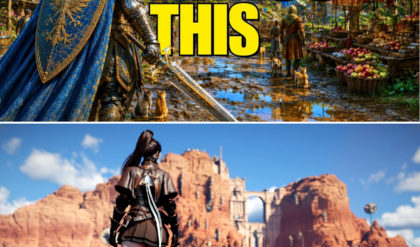
IS YOUR “OPEN WORLD” FATIGUE A LIE? 🚩 Crimson Desert just proved us all wrong.
We’ve all told ourselves the same story: “I’m just too busy for open-world games now.” We traded the magic of endless exploration for the safety of linear, 8-hour campaigns, convinced that our love for massive worlds was a relic of our youth.
But what if the problem wasn’t us? What if the games just got lazy?
Crimson Desert isn’t just another checklist simulator—it’s a correction. It’s the first game in years that actually respects your time while giving you the freedom to get lost. If you think you’ve outgrown these worlds, think again. The magic is still there, but only if the developers actually give a damn. Check out why this game is the wake-up call the industry needed 👇
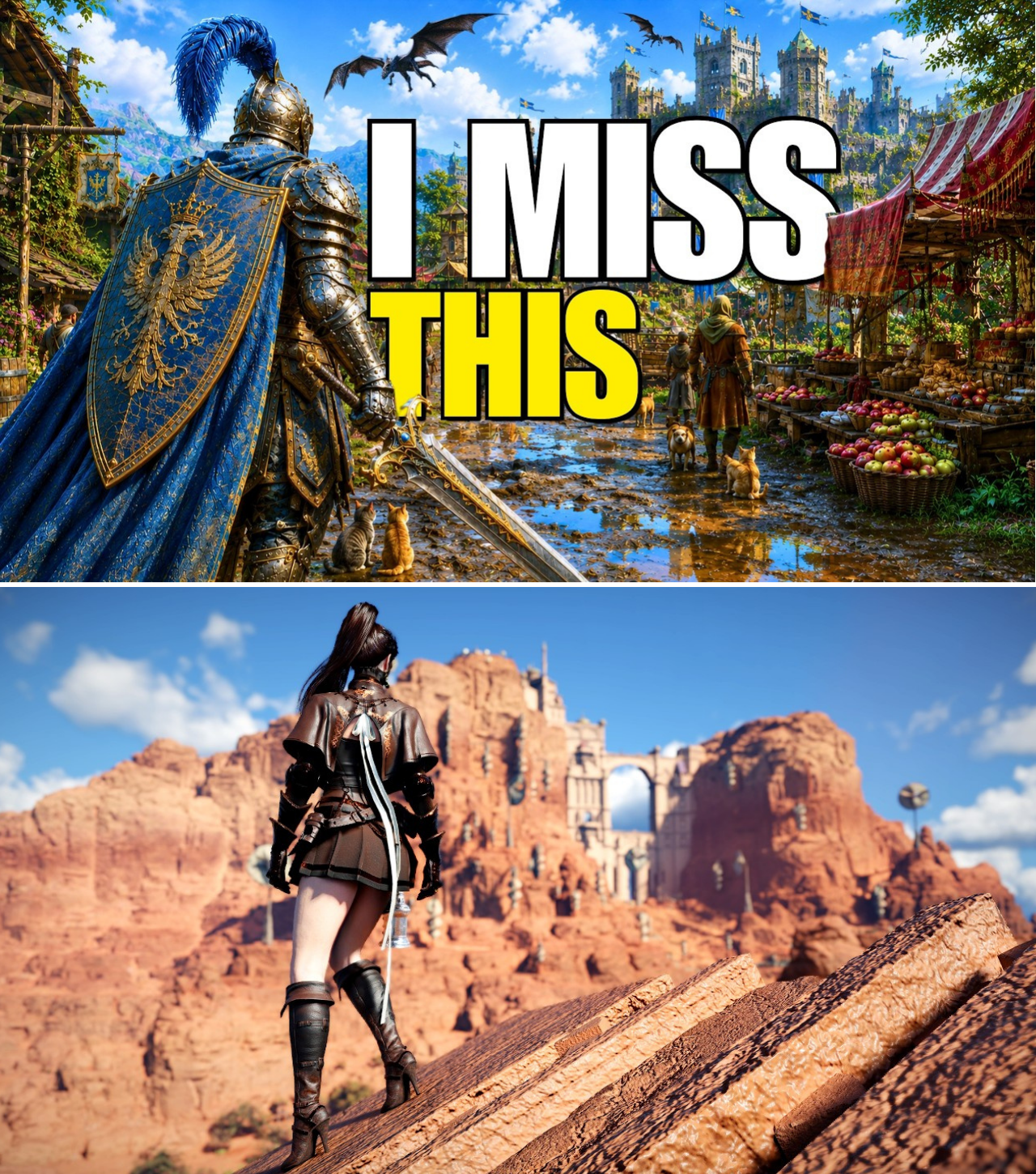
For a generation of gamers now navigating the complexities of adulthood, the open-world genre has become a casualty of time. The endless checklists, the icon-cluttered maps, and the bloated playtime metrics have transformed the “wonder of exploration” into a source of low-level anxiety. For years, many have accepted a simple narrative: “I’ve outgrown open worlds.” However, with the consistent, community-driven updates to Crimson Desert, that narrative is being dismantled.
The Decline of the Open World Experience
There was a time when open worlds felt like “inhabitable” spaces rather than content containers. Games like Far Cry 3 or Assassin’s Creed: Black Flag offered moments—climbing a cathedral or watching a storm roll in from the deck of a ship—that felt like personal, meaningful experiences. But as the industry shifted toward “engagement metrics” and “live service” models, the sense of intention began to evaporate.
For the average adult player—someone with two hours of gaming time a week, rather than eight hours a day—the modern open-world game became a chore. We gravitated toward linear, bite-sized narratives because they offered a “clean” finish, sparing us the guilt of an unfinished, icon-bloated map.
Crimson Desert: Not a Perfect Game, But a Meaningful Correction
Crimson Desert is not flawless. Its systems are complex, and it certainly has its share of bugs. Yet, it has managed to do something few recent titles have: it has restored the feeling that the world was built with intention.
When you play Crimson Desert, you aren’t being dragged from objective to objective by a predatory quest marker. You are engaging with a world that continues to evolve. Through weekly patches—like the 1.08 update—Pearl Abyss has shown that they are actually watching, listening, and shaping the game in response to player experiences. It is a “living” project in the truest sense of the word.
Why the “Fatigue” Was Never About Age
The most significant takeaway from the Crimson Desert resurgence is the realization that the fatigue we felt was not an inevitable symptom of growing up. It was a symptom of a declining standard in game design.
When developers optimize for playtime volume rather than the “feeling” of inhabiting a world, they lose the core audience that once fueled the genre’s popularity. Crimson Desert succeeds because it feels like it was built by people who give a damn. It doesn’t rely on unprecedented mechanics, but rather on a commitment to internal logic, personality, and a world that rewards curiosity rather than punishing it with repetitive tasks.
The Future of Exploration
For the adult gamer who has spent years telling themselves that the “open-world chapter” of their life is closed, Crimson Desert serves as a powerful reminder: the magic is still there. The genre is not dead; it simply lost its way.
As we look toward future updates—the promised mount mechanics for Wyverns, the continued expansion of the camp system—Crimson Desert stands as proof that players are still hungry for worlds that respect their time and intelligence. It is a correction that the industry desperately needed, proving that even in a crowded, noisy market, the most valuable commodity is still a game that genuinely wants to be played.
News
The Marksman Meta: How to Build the Ultimate Ranger in Crimson Desert
STOP CHARGING HEADFIRST! This Ranger Build is literally MELTING everything in Pywel! 🏹 Tired of getting destroyed in melee? Stop throwing Kliff into the meat grinder. This marksman build doesn’t require end-game gear—you can start it hours into your run…
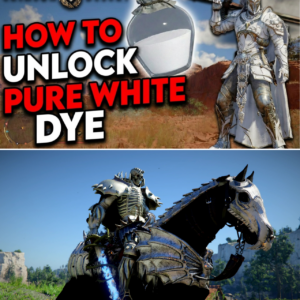
Fashion in Pywel: How to Unlock the Pure White Dye Vendor
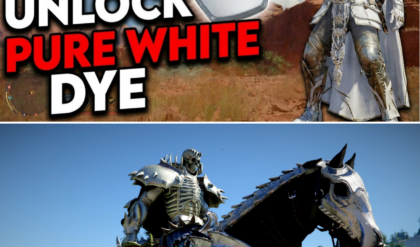
STOP WEARING DRAB GEAR! 🚨 The “Pure White Dye” is finally hidden in plain sight. Tired of looking like a common bandit? Everyone is searching for the Pure White Dye, but most players don’t realize it’s locked behind the “Abandoned…
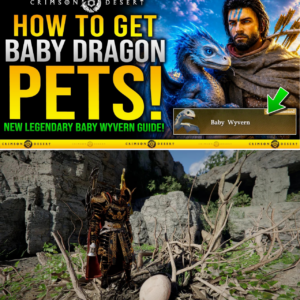
The Tamer’s Handbook: How to Acquire the Baby Wyvern in Crimson Desert Patch 1.08.00
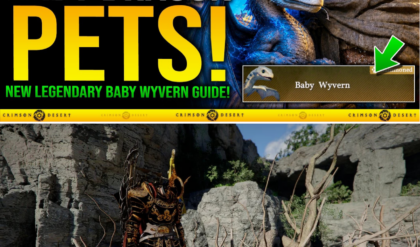
STOP CHASING RANDOM LOOT: The 5-minute secret at “Wyvern’s Cradle” everyone is gatekeeping! 🐉 Still walking on foot while everyone else is rocking a Baby Wyvern? You’re doing it wrong. Don’t even step into that cave until you’ve mastered the…
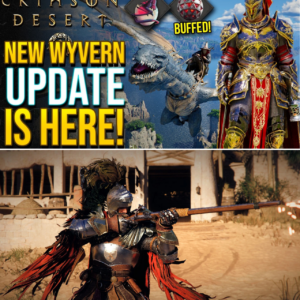
Crimson Desert 1.08 Update: A Transformative Patch for Combat and Immersion
CRIMSON DESERT 1.08 IS PURE CHAOS! 🚨 The Meta Just Changed Forever. Forget what you knew about your build—the 1.08 update is a game-changer. From Kliff finally getting his hands on muskets and shotguns to the new “Infinite” ammo meta…
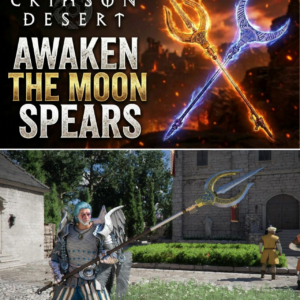
Hidden in Plain Sight: How to Acquire the Legendary ‘Moon’ Sibling Spears in Crimson Desert
YOU’VE BEEN WALKING PAST THE BEST SPEARS IN THE GAME! 🛑 Everyone is grinding bosses, but the true “META” weapons are just sitting there in plain sight. Meet the Grasping Moon and the Diverging Moon—two sibling spears that will literally…
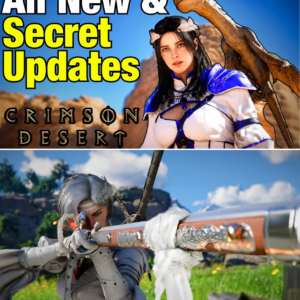
Beyond the Patch Notes: Uncovering the Hidden Gems of Crimson Desert’s 1.08 Update
IS YOUR CAMP HIDING SECRETS? The 1.08 Update is way bigger than we thought! 🤫 Forget the patch notes—we’ve just uncovered a goldmine of secret changes that Pearl Abyss didn’t tell you about. From visual helmet overhauls (goodbye bare necks!)…
End of content
No more pages to load